Lithuanian businesses are steadily increasing imports of organic chickpeas, dried chickpeas, and raw chickpeas to meet growing demand from food manufacturers, wholesalers, and retailers. Uzbekistan has become one of the reliable sourcing destinations thanks to favorable growing conditions, consistent quality, and competitive export pricing. This guide explains how to select a supplier, evaluate product quality, compare logistics options, and organize successful imports for the Lithuanian market.
- Why Uzbekistan is a strong source of chickpeas.
- Current demand in Lithuania.
- Product grades and quality standards.
- Price formation and purchasing conditions.
- Export logistics to Lithuania.
- Quality control before shipment.
- Risk management for importers.
- How to start cooperation with an exporter.
Lithuania’s Growing Demand for Organic Chickpeas
Demand for pulses continues to expand across Lithuania as food producers, retail chains, organic stores, and distributors respond to consumer interest in healthy and plant-based products. Organic chickpeas are used in hummus production, canned foods, frozen meals, flour manufacturing, ready-to-cook mixes, and private-label grocery products.
The largest purchasing activity is concentrated in Vilnius, Kaunas, and Klaipėda, where importers and logistics operators serve both the domestic market and neighboring Baltic countries. Klaipėda Port remains the primary maritime gateway for international food imports, while Kaunas functions as a major logistics and distribution hub.
According to recent trade data published by the ITC Trade Map and Eurostat, European demand for pulses has remained stable during the past six months, supported by growth in plant-based food production and diversified sourcing strategies.
Why Uzbekistan Is a Reliable Export Partner
Uzbekistan offers several advantages for Lithuanian buyers seeking dependable long-term supply contracts.
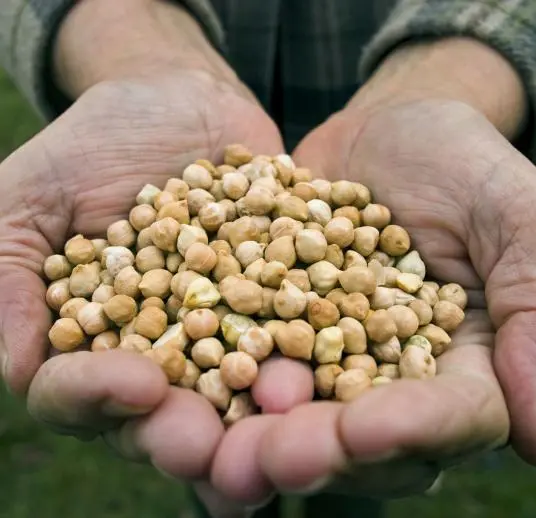
The country’s continental climate provides excellent conditions for cultivating high-quality chickpeas with natural color, good grain density, and low moisture content. Modern processing facilities ensure efficient cleaning, calibration, sorting, and packaging before export.
Exporters can ship dried chickpeas, raw chickpeas, chickpeas uncooked, yellow chickpeas, and certified organic chickpeas according to buyer specifications.
Companies looking to review available agricultural products can explore the full assortment through the Our Products section before requesting commercial information.
Product Specifications and Export Quality
Professional buyers evaluate much more than price when selecting a supplier. Consistency between shipments is equally important.
Typical export specifications include calibrated grain sizes suitable for food processing and retail packaging. Advanced optical sorting systems remove damaged grains, foreign materials, and impurities before packing.
Quality parameters generally include:
- Moisture within export standards
- High purity levels
- Uniform calibration
- Low broken grain percentage
- Clean appearance
- Compliance with phytosanitary regulations
- Export-ready packaging
Available packaging usually includes 25 kg and 50 kg polypropylene bags, bulk bags, or customized private-label solutions.
Documentation may include Certificates of Origin, phytosanitary certificates, quality certificates, and organic certification where applicable.

Understanding Export Prices
Wholesale pricing depends on multiple commercial factors rather than a single market quotation.
The most significant variables include harvest quality, crop availability, calibration size, packaging requirements, transport costs, destination, and purchased volume. Larger annual contracts generally allow suppliers to offer more competitive pricing than one-time container purchases.
|
Origin |
Quality |
Typical MOQ |
Logistics |
|
Uzbekistan |
High |
Flexible |
Rail and Sea |
|
Turkey |
High |
Medium |
Sea |
|
Kazakhstan |
Medium-High |
Medium |
Rail |
|
Canada |
Premium |
High |
Ocean Freight |
For Lithuanian wholesalers importing several containers annually, Uzbekistan often provides an attractive balance between quality, pricing, and logistical flexibility.
FOB terms are frequently selected by experienced importers managing international freight independently, while CIF solutions simplify purchasing for companies seeking complete delivery arrangements.
Logistics from Uzbekistan to Lithuania
Efficient logistics are essential for maintaining product quality and delivery schedules.
Most shipments travel by rail toward Baltic ports or through multimodal transport combining rail and sea freight before arriving in Klaipėda. Transit time depends on routing, customs procedures, and seasonal transport demand.
Professional exporters typically assist buyers with export declarations, commercial invoices, packing lists, certificates of origin, phytosanitary documentation, and other customs paperwork required for international trade.
Choosing suitable Incoterms at the beginning of negotiations helps both parties clearly define responsibilities, transportation costs, insurance coverage, and risk transfer.
How to Evaluate an Organic Chickpea Supplier
Selecting a supplier involves more than comparing prices.
A practical evaluation process includes the following steps:
- Verify export history and international references.
- Request recent laboratory analyses.
- Review product specifications and calibration.
- Confirm annual production capacity.
- Examine packaging options.
- Discuss logistics support and Incoterms.
- Approve representative product samples before signing the contract.
Experienced exporters willingly provide technical specifications and answer detailed questions regarding production, storage, and shipping procedures.
Quality Inspection Before Shipment
Independent quality control significantly reduces purchasing risks.
Inspection normally includes laboratory testing for moisture and purity, visual examination of grain appearance, packaging inspection, and loading supervision before containers are sealed.
Many importers also appoint independent inspection companies to verify cargo before shipment, providing additional confidence that contractual specifications have been fulfilled.
Reducing Import Risks
International agricultural procurement always involves certain commercial risks, but most can be minimized through proper preparation.
Recommended practices include:
- Verify company registration and export experience.
- Review laboratory reports for each shipment.
- Define quality standards in the contract.
- Approve production samples.
- Use secure international payment methods.
- Schedule pre-shipment inspections.
- Confirm documentation before dispatch.
Clear technical specifications combined with transparent communication usually prevent misunderstandings and support long-term cooperation.
From Inquiry to Delivery
A professional export process begins with understanding the buyer’s exact requirements.
After receiving an inquiry, the supplier prepares a commercial offer covering product specifications, available grades, packaging, minimum order quantity, pricing, and delivery terms. Product samples can then be supplied for evaluation before contract confirmation.
Once the agreement is finalized, production, quality inspection, packaging, export documentation, and shipment are organized according to the agreed schedule.
Importers interested in learning more about the exporter and its capabilities can find additional company information on the Sultan Agrotech website.
Market Perspective
During the last six months, European buyers have continued diversifying agricultural supply chains while placing greater emphasis on supplier reliability rather than selecting vendors based solely on price.
Based on market observations and procurement practices, suppliers can be evaluated across five critical criteria:
- Product consistency
- Export documentation
- Production capacity
- Logistics reliability
- Commercial flexibility
Companies demonstrating strong performance in all five areas are generally better positioned to establish stable partnerships with Lithuanian importers.
As noted in recent European trade analyses published by Eurostat and the ITC Trade Map, demand for pulses remains supported by changing consumer preferences and continued growth in food manufacturing using plant-based ingredients.
Frequently Asked Questions
Where can Lithuanian companies buy organic chickpeas from Uzbekistan?
Lithuanian importers can work directly with experienced Uzbek exporters that specialize in wholesale agricultural products. Direct cooperation provides better price transparency, flexible packaging options, consistent quality control, and support with export documentation and logistics.
Which Incoterms are available for exports to Lithuania?
Most exporters offer commonly used Incoterms such as FOB, FCA, CIF, and DAP. The most suitable option depends on whether the buyer prefers to arrange transportation independently or receive a complete logistics solution.
How long does delivery from Uzbekistan to Lithuania take?
Transit times vary depending on the chosen route, customs procedures, and seasonal transport conditions. Shipments are typically transported by rail or multimodal routes through Baltic ports before reaching destinations in Lithuania.
Are phytosanitary and export certificates included?
Yes. Professional exporters provide the documentation required for international trade, including phytosanitary certificates, certificates of origin, commercial invoices, packing lists, and additional quality documents requested by the buyer.
Can products be packed under a private label?
Yes. Many suppliers offer customized packaging, including private-label solutions, branded bags, and various package sizes for retail or wholesale distribution.
How can I verify that a supplier is reliable?
Request company registration details, export experience, product certificates, laboratory test reports, customer references, and product samples. It is also advisable to conduct a pre-shipment inspection before the first order.
Conclusion
Choosing an organic chickpea supplier is about more than finding the best price. It also requires evaluating product quality, supply consistency, transparent documentation, and reliable logistics. Thanks to these advantages, Uzbekistan has established a strong position in the European market. For importers and distributors in Lithuania, partnering with an experienced exporter helps minimize procurement risks and optimize overall purchasing costs. If you are looking for a reliable supplier, you can get in touch through the Contact Us page to request a quotation and discuss the terms of cooperation.
If you have questions about the format or do not know what to choose, leave your number — we will call you to answer all your questions.