If you have questions about the format or do not know what to choose, leave your number — we will call you to answer all your questions.

The demand for legumes wholesale in Latvia is steadily increasing as businesses shift toward sustainable and protein-rich food sources. Importers are actively seeking reliable bulk suppliers offering stable quality, competitive pricing, and EU-compliant standards. This guide explores how to enter the Latvian market, reduce risks, and secure long-term contracts in a growing sector.
Why Businesses in Latvia Choose Legumes Bulk Imports
- Rising demand for plant-based protein across Europe
- Competitive sourcing opportunities from Central Asia
- Long shelf life and easy storage conditions
- Strong demand in Riga, Daugavpils, and Liepāja
- Flexible use in retail, foodservice, and manufacturing
- Attractive margins for distributors and wholesalers
- Growth of vegan and health-conscious consumers
Market Overview: Key Products and Demand
Product Type | Avg Price €/ton | Demand in Latvia | Main Buyers | Import Frequency |
Chickpeas | 950–1200 | High | Retail | Monthly |
Lentils | 850–1100 | High | HoReCa | Monthly |
Beans | 750–1000 | Medium | Wholesale | Quarterly |
Mung Beans | 900–1150 | Growing | Vegan brands | Monthly |
Legumes Wholesale Market in Latvia
Latvia operates as a strategic Baltic trade hub, with Riga acting as the central logistics gateway for food imports. Over the past 6 months, demand for dried legumes and legumes bulk shipments has grown due to rising wholesale distribution into Scandinavia and Northern Europe.
Local distributors prefer working with a trusted supplier who can guarantee consistent volume, traceability, and documentation aligned with EU food safety regulations.
Regional Insights
- Riga: Main import and redistribution center
- Daugavpils: Growing wholesale storage and logistics
- Liepāja: Port-based supply chains and export flows
This regional structure creates an opportunity for exporters who understand not only supply, but also internal distribution dynamics.
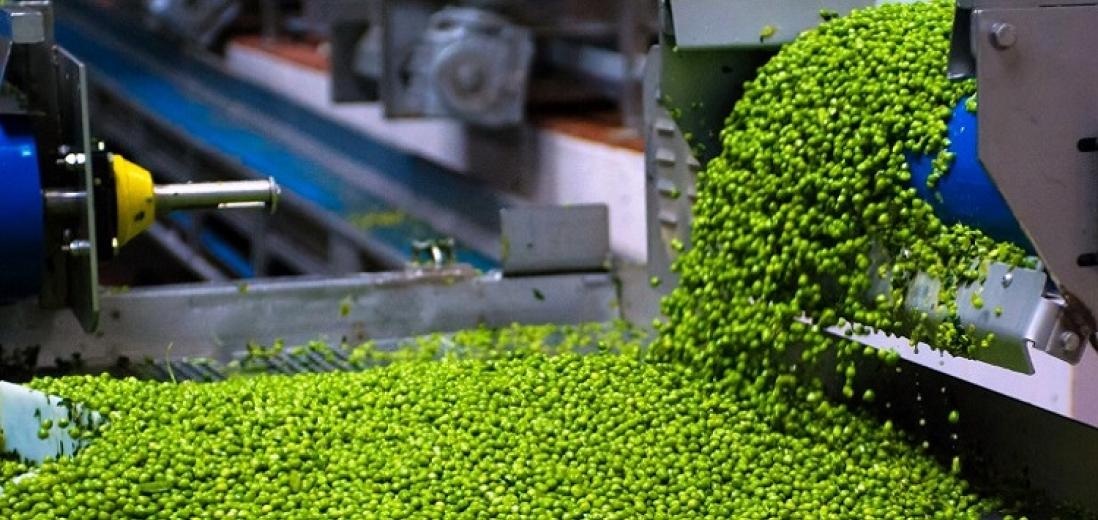
Legumes Bulk – How to Import to Latvia Step-by-Step
Entering the Latvian legumes market requires a structured approach:
Step-by-Step Process
- Identify a verified exporter with EU-ready certification
- Confirm product quality: cleaning, sorting, moisture levels
- Ensure compliance with EU regulations (HACCP, labeling)
- Choose optimal logistics route (rail or multimodal transport)
- Handle customs clearance efficiently
- Distribute through local partners or warehouses
To reduce risk, importers typically contact supplier directly and negotiate long-term contracts rather than spot deals.
Best Legume Types for Import (Top Demand Analysis)
The Latvian market shows clear preferences when it comes to best legume categories:
High-Performing Products
- Chickpeas – strong demand in retail and health food sectors
- Lentils – stable consumption in HoReCa
- Beans – diverse market across canned and dry segments
- Mung beans – fast-growing niche driven by vegan brands
From a margin perspective, chickpeas and lentils currently offer the best balance between price stability and turnover speed.
Bean Legume Market – Opportunities in Latvia
The bean legume segment presents strong opportunities due to its versatility.
Key Subcategories
- Red kidney beans (popular in ready meals)
- White beans (widely used in European cuisine)
- Specialty beans for processing
Search trends show increasing interest in:
- best beans for baked beans
- red kidney beans can
This indicates a shift toward convenience products, where importers can supply raw materials to food manufacturers.
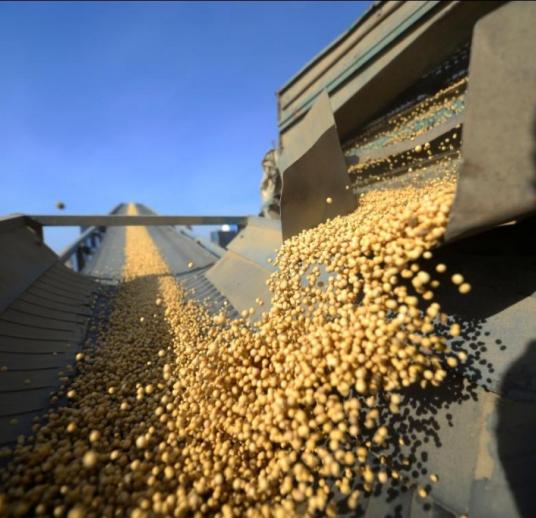
Dried Legumes vs Raw Legumes – What Buyers Prefer
Understanding the difference between dried legumes and raw legumes is critical for successful trade.
Key Differences
- Dried legumes:
- longer shelf life
- lower logistics risk
- preferred by EU buyers
- Raw legumes:
- limited shelf stability
- higher spoilage risk
- niche demand
In Latvia, over 80% of imports focus on dried legumes due to storage efficiency and predictable quality.
Organic Legumes & Healthy Beans Trend in Latvia
The demand for organic legumes is rising rapidly, especially in urban centers like Riga. Consumers are increasingly focused on nutrition, sustainability, and traceability.
Market Drivers
- Growing awareness of benefits of legumes (protein, fiber, low fat)
- Increased demand for healthy beans in retail chains
- Interest in functional foods (e.g., chickpeas and diabetes diets)
Importers expanding their product range with organic-certified goods gain a clear competitive advantage.
Call to Action:
If you want to secure a profitable position in Latvia, start sourcing organic legumes with verified quality and consistent supply today.
Special Demand Segments & Niche Queries
Beyond bulk trade, niche demand is shaping the market:
- legume blanche – used in European cuisine and specialty dishes
- les fruits et les legumes – category expansion in retail chains
- health-focused queries influencing purchasing decisions
These segments show that buyers are no longer price-driven only—they value origin, quality, and application.
Product Portfolio & Supplier Expansion
Many importers prefer working with suppliers offering a diversified ассортимент. For example, combining legumes with related categories like nuts increases contract value and reduces sourcing complexity.
Explore extended ассортимент such as almond kernels to strengthen your product offering and appeal to broader buyers.
External Expert Insights
According to the global legumes market trends, demand for pulses continues to grow due to sustainability and protein transition trends.
The EU import statistics for legumes confirm increasing reliance on imports to meet internal consumption needs, especially in Northern and Eastern Europe.
These insights validate the long-term potential of entering the Latvian legumes market today.
Conclusion – How to Start Legumes Wholesale in Latvia
The Latvian market offers a strong entry point into the EU for legumes bulk trade. Success depends on consistent quality, compliance with regulations, and understanding regional demand patterns.
Businesses that focus on certified suppliers, scalable logistics, and high-demand categories like chickpeas and lentils gain a clear advantage.
The next step is simple:
secure reliable partnerships, expand into organic legumes, and position your business at the center of a growing European supply chain.