Poland has become one of the most important entry points for dried fruit distribution across Central and Eastern Europe. Importers, wholesalers, food processors, and retail suppliers increasingly look beyond traditional European producers in search of competitive pricing, stable supply chains, and reliable quality. Uzbekistan has emerged as one of the strongest sourcing destinations for bulk dehydrated apples thanks to favorable agricultural conditions and growing export infrastructure.
Before entering a supply agreement, buyers typically focus on several key questions:
- How competitive are Uzbek dehydrated apples compared to other origins?
- What quality standards should be required?
- Which logistics routes are most efficient for Poland?
- How can supplier reliability be verified?
- What pricing factors influence import costs?
- Which documents are necessary for customs clearance?
- How can procurement risks be minimized?
Why Polish Companies Import Dehydrated Apples from Uzbekistan
Demand for dried apples continues to grow among food manufacturers, cereal producers, bakery companies, snack brands, and wholesale distributors. Cities such as Warsaw, Łódź, Poznań, Kraków, Gdańsk, and Wrocław serve as major trade hubs where imported dried fruit is distributed throughout Poland and neighboring EU markets.
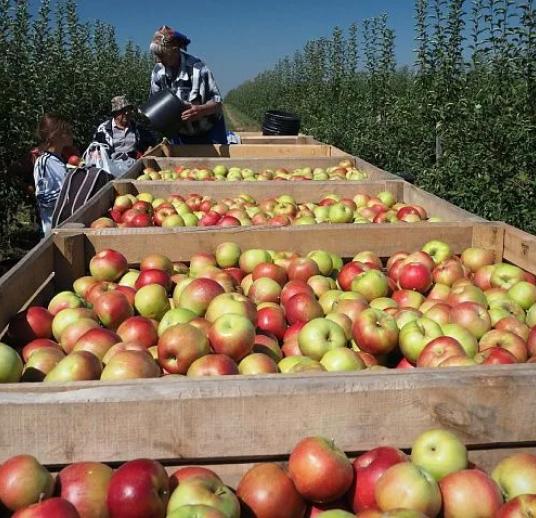
Uzbekistan offers several advantages that attract European buyers. The country benefits from a long growing season, abundant fruit production, modern processing facilities, and competitive production costs. As a result, importers often achieve favorable purchasing conditions while maintaining product quality suitable for European standards.
Recent European trade statistics published by Eurostat continue to show stable demand for imported fruit ingredients used by food manufacturers throughout the European Union.
Poland Market Overview
The Polish dried fruit market serves multiple sectors simultaneously. Industrial processors purchase dehydrated apples for use in breakfast cereals, confectionery products, bakery fillings, tea blends, and snack mixes. Wholesale distributors supply independent retailers and foodservice businesses, while private-label producers seek long-term partners capable of delivering consistent volumes.
Market analysis indicates that buyers increasingly prioritize supply stability over simply obtaining the lowest possible price. Following disruptions in global logistics chains during recent years, many importers prefer suppliers capable of maintaining regular shipments and transparent communication.
Compared with some competing origins, Uzbekistan often provides a balanced combination of price, quality, and flexibility. This is particularly valuable for medium-sized distributors that require adaptable MOQ conditions rather than extremely large purchase commitments.
Product Specifications and Quality Characteristics
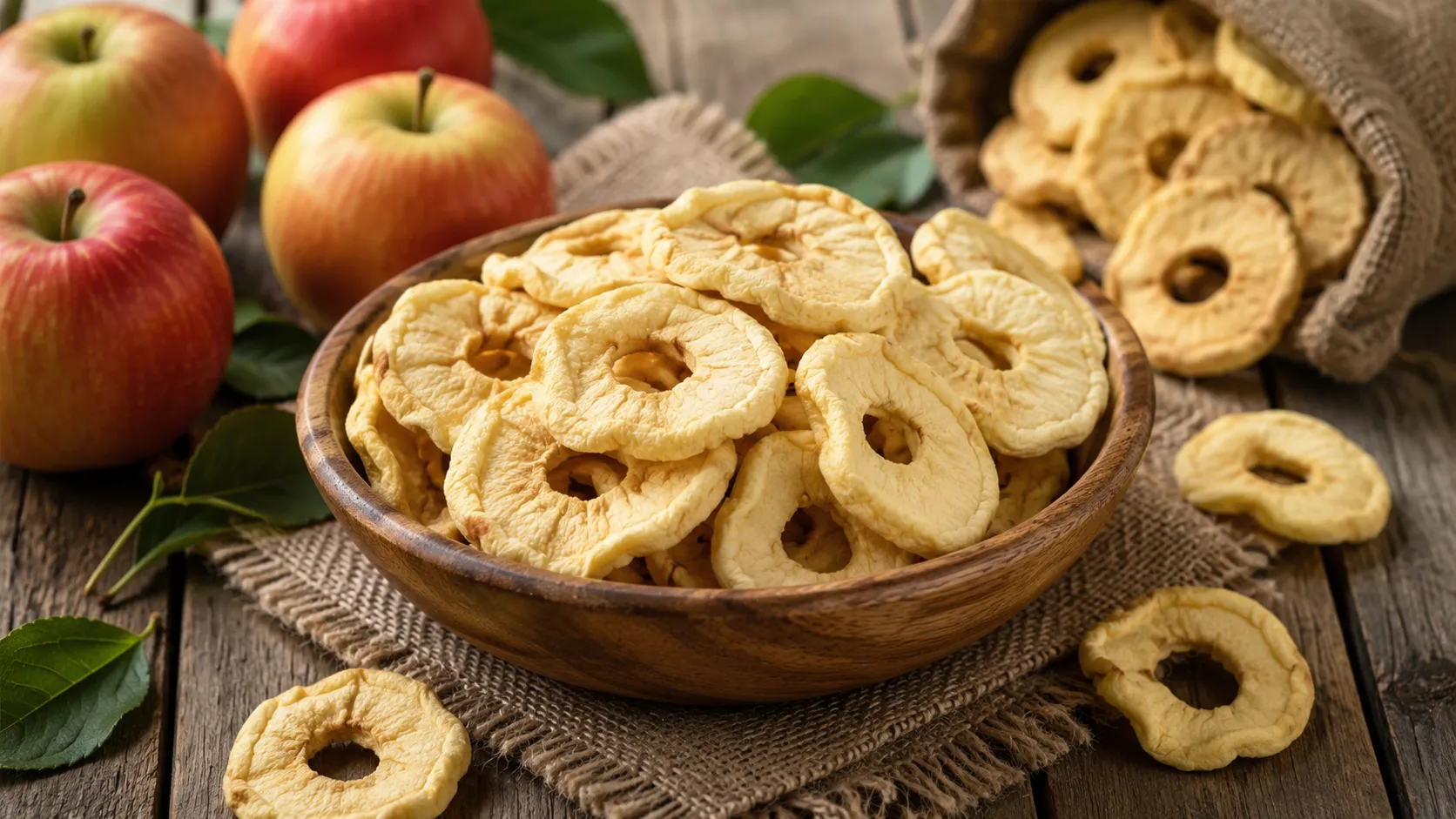
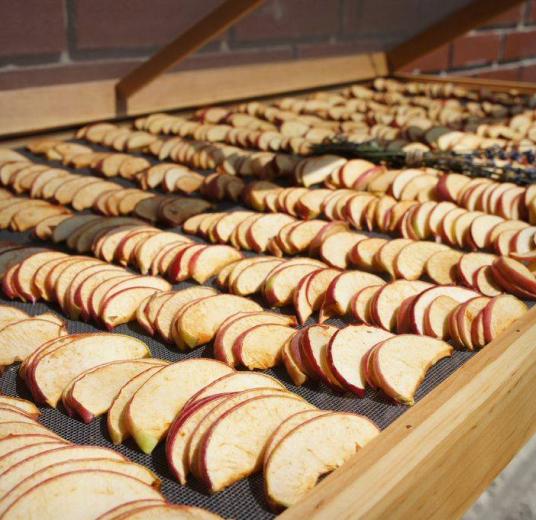
Bulk dehydrated apples are available in multiple formats depending on customer requirements. Common options include slices, cubes, granules, and specially calibrated cuts for industrial applications.
Professional buyers generally evaluate products according to several technical parameters:
- Moisture content
- Color consistency
- Calibration accuracy
- Foreign matter tolerance
- Sugar content
- Texture stability
- Packaging integrity
Product specifications should always be agreed upon before contract signing. Detailed product information can be reviewed through the catalog available at SultanAgro’s product portfolio, where buyers can evaluate available dried fruit categories and export formats.
Packaging is typically offered in cartons ranging from 5 kg to 20 kg, while customized solutions may be developed for distributors and private-label customers.

How to Select a Reliable Supplier
Choosing the right exporter remains one of the most important decisions in the procurement process. A professional supplier should demonstrate export experience, production capacity, quality management systems, and transparent documentation procedures.
When evaluating potential partners, importers should request:
- Product specifications
- Laboratory test results
- Certificates of origin
- Phytosanitary certificates
- HACCP documentation
- Export references
Reliable suppliers are usually willing to provide product samples before contract finalization. Sample evaluation allows buyers to verify quality, appearance, moisture levels, and suitability for their intended application.
One of the most common mistakes among new importers is focusing exclusively on price. Extremely low quotations may indicate inconsistencies in product quality, processing standards, or documentation procedures.
What Determines the Price of Bulk Dehydrated Apples
The final cost of dehydrated apples depends on numerous factors. Harvest conditions, apple varieties, processing technology, packaging requirements, and transportation expenses all influence pricing.
Seasonality remains particularly important. Prices may fluctuate depending on crop yields and market demand. Additional cost variables include product calibration, packaging customization, laboratory testing requirements, and selected Incoterms.
Many Polish buyers compare FOB and CIF offers before making purchasing decisions. FOB pricing provides greater control over freight arrangements, while CIF contracts simplify logistics management by including transportation costs within the supplier’s offer.
For large-volume contracts, annual purchasing agreements often help stabilize pricing and improve supply predictability.
Comparing Uzbekistan with Other Supplier Countries
Importers frequently compare Uzbekistan with Turkey, China, Germany, and Iran when sourcing dehydrated apples.
Turkey benefits from geographic proximity to Europe and established logistics routes. Germany offers exceptionally high quality standards but generally at significantly higher prices. China often competes aggressively on cost, although transit times can be longer. Iran may provide attractive pricing but can present additional trade complexities depending on the destination market.
Uzbekistan occupies a competitive middle position by combining quality consistency, flexible order volumes, and attractive export pricing. For many Polish distributors, this balance represents an optimal procurement strategy.
Logistics and Delivery to Poland
Several transportation options are available for shipments from Uzbekistan to Poland. Road transport remains popular for moderate volumes, while rail solutions are increasingly utilized for larger consignments. Multimodal routes combining rail and trucking can provide effective cost-performance ratios.
Transit times vary depending on the selected route, customs procedures, and seasonal conditions. Most buyers evaluate logistics providers based on reliability rather than simply choosing the lowest freight quote.
Common trade terms include FCA, FOB, CFR, CIF, and DAP. The appropriate Incoterm depends on the buyer’s logistics capabilities and preferred level of operational involvement.
Importers should also ensure that all required customs documentation is prepared accurately to avoid delays during border clearance.
Quality Control Before Shipment
Quality verification should begin before goods leave the production facility. Independent inspections and laboratory testing help reduce commercial risks and confirm compliance with agreed specifications.
The most important parameters typically include moisture content, microbiological indicators, sulfur dioxide levels where applicable, pesticide residue compliance, and packaging quality.
European food importers should also monitor regulatory requirements published through the European Commission Food Safety Portal, which provides guidance regarding food imports and safety standards.
A structured quality-control process significantly reduces the likelihood of disputes after delivery.
Managing Import Risks
Every international procurement project involves potential risks. These may include quality deviations, documentation errors, transport delays, exchange-rate fluctuations, or unexpected market changes.
Risk management usually includes supplier audits, sample approval procedures, clear product specifications, inspection protocols, and detailed contractual agreements. Long-term cooperation with trusted exporters often delivers better results than repeatedly switching suppliers based solely on short-term pricing advantages.
Experienced importers also maintain regular communication with suppliers throughout production and shipment stages to ensure transparency and predictability.
How to Purchase Bulk Dehydrated Apples from Uzbekistan
The purchasing process is generally straightforward when approached systematically.
First, define detailed product requirements and expected annual volumes. Next, request specifications and samples from potential suppliers. After evaluating quality and commercial terms, compare quotations and negotiate delivery conditions. Once contractual details are finalized, shipment preparation and logistics coordination can begin.
Companies seeking a direct export partner can learn more about available supply capabilities through SultanAgro, which works with international buyers and offers various dried fruit export solutions.
For procurement discussions, product specifications, and export inquiries, buyers may contact the company directly through the contact page.
Frequently Asked Questions
What is the typical MOQ for bulk dehydrated apples?
MOQ requirements vary by supplier, packaging format, and contract structure. Many exporters offer flexible options for wholesale buyers.
How long does delivery to Poland usually take?
Transit times depend on transportation mode, route selection, and customs procedures.
Can suppliers provide private-label packaging?
Many export-oriented producers offer customized packaging and branding solutions.
Which quality certificates should buyers request?
Importers commonly request certificates of origin, phytosanitary certificates, HACCP documentation, and laboratory testing reports.
Are dehydrated apples available throughout the year?
Professional exporters typically maintain year-round supply programs through controlled storage and production planning.
What is the best way to verify product quality?
Sample evaluation combined with independent laboratory testing remains the most reliable approach before large-volume purchases.
Reliable Supply for Polish Importers
Polish distributors, wholesalers, food manufacturers, and retail suppliers continue to expand their sourcing networks to secure dependable dried fruit supplies. Uzbekistan has established itself as a competitive origin for bulk dehydrated apples by combining favorable pricing, stable production capacity, and export experience.
By carefully evaluating suppliers, verifying quality standards, and selecting suitable logistics solutions, importers can build long-term partnerships that support sustainable growth and consistent product availability across the Polish market.
If you have questions about the format or do not know what to choose, leave your number — we will call you to answer all your questions.