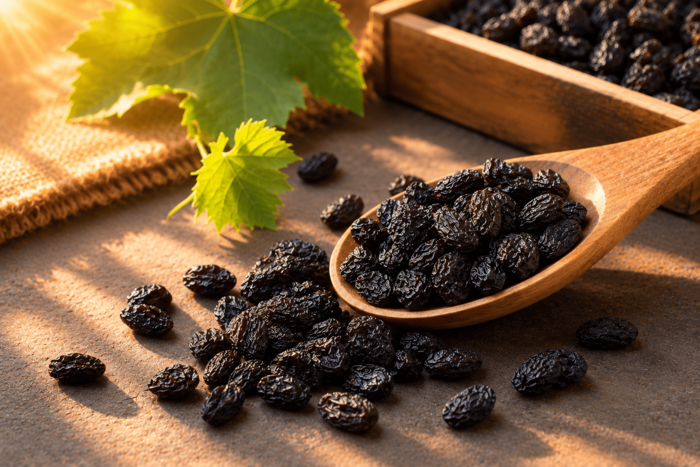
Black raisins from Uzbekistan are increasingly attracting the attention of Lithuanian importers, wholesalers, distributors, food manufacturers, and retail chains. Competitive pricing, naturally favorable growing conditions, and expanding export infrastructure make Uzbekistan one of the leading suppliers of dried fruits to European markets. For companies seeking stable long-term sourcing, black raisins offer an attractive combination of quality, availability, and commercial value.
Before selecting a supplier, buyers typically focus on several key factors:
- Product quality and consistency
- Export certifications
- Pricing structure
- Minimum order quantities
- Logistics options
- Packaging formats
- Supplier reliability
- Long-term supply capacity
Lithuania’s Market for Black Raisins
Lithuania serves as an important distribution point for dried fruits within the Baltic region. Demand is concentrated in major commercial centers including Vilnius, Kaunas, Klaipėda, Šiauliai, and Panevėžys. Importers supply supermarkets, specialty food retailers, bakeries, confectionery producers, and health-food distributors.
Consumer preferences continue to shift toward natural ingredients and minimally processed products. Black raisins are increasingly used in breakfast cereals, snack mixes, bakery products, confectionery items, and private-label retail packaging.
According to international trade statistics published by ITC Trade Map, dried fruit imports across European markets continue to show stable demand, supported by growing consumer interest in healthy food categories and plant-based nutrition.
Types of Black Raisins Available from Uzbekistan
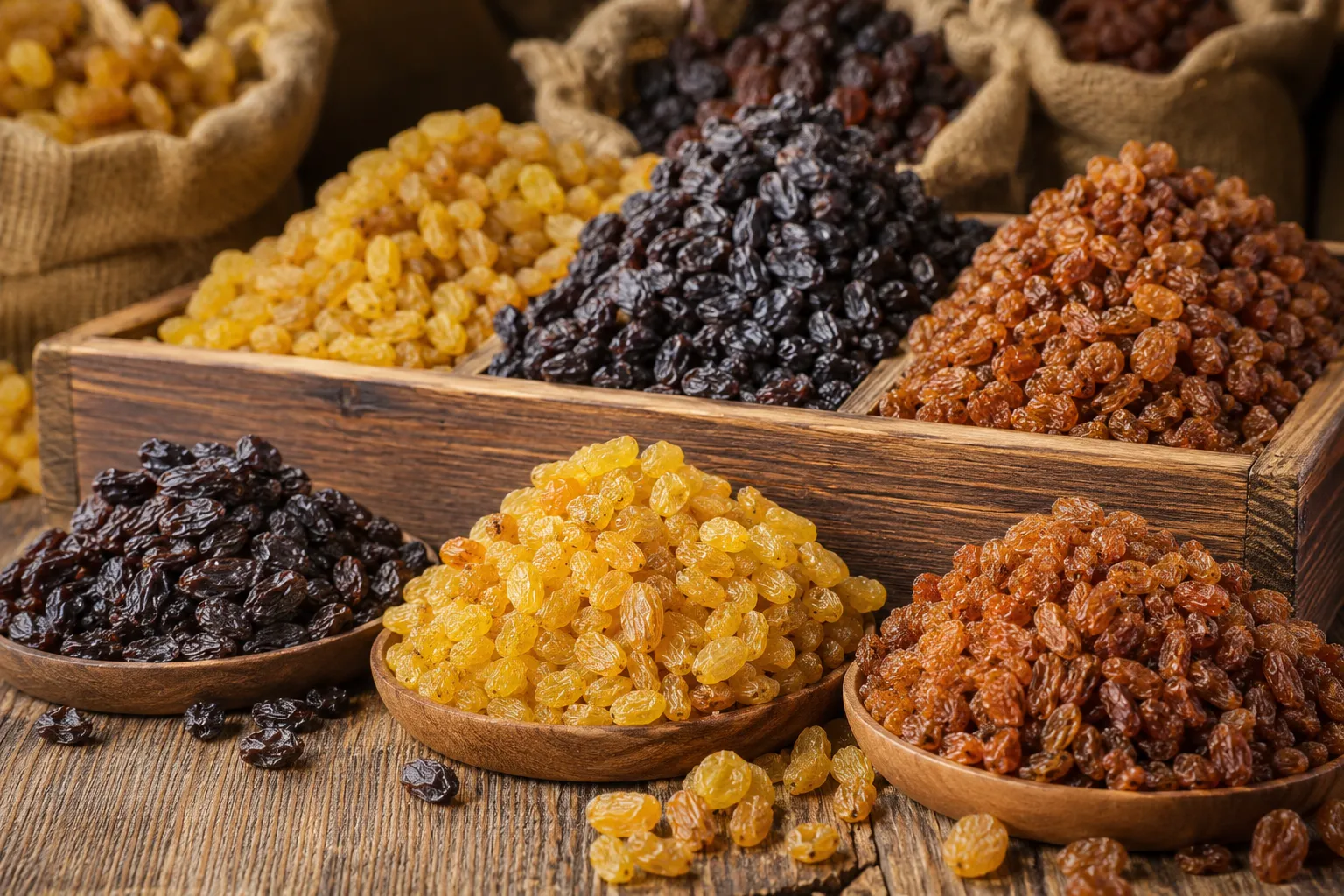
Uzbekistan produces several varieties of black raisins suitable for export markets.
Seedless Black Kishmish
Black kishmish remains the most popular export category. The berries are naturally sweet, seedless, and suitable for both industrial processing and retail packaging. Their consistent size and flavor profile make them particularly attractive to food manufacturers.
Dark Raisins and Premium Grades
Dark raisins vary depending on grape variety, drying method, and processing standards. Premium export grades undergo additional cleaning, sorting, and calibration procedures to ensure uniformity.
Sulfur-Free Black Raisins
Demand for raisins without sulfur dioxide continues to grow across Europe. Many Lithuanian buyers prefer naturally processed products that align with clean-label trends and consumer expectations regarding ingredient transparency.
Detailed product specifications, packaging options, and available grades can be reviewed through Sultan Agro’s product portfolio, which includes multiple dried fruit categories intended for export markets.
Quality Standards and Export Requirements
European buyers increasingly require documented quality control systems and traceability procedures. Reliable suppliers typically operate under internationally recognized food safety standards.
Key export quality parameters include:
- Moisture control
- Uniform calibration
- Consistent color
- Low foreign matter content
- Controlled defect levels
- Proper sorting procedures
- Food safety documentation
- Traceability records
Quality evaluation should always include laboratory testing, visual inspection, and review of export certificates before shipment approval.

Food Safety Considerations
Lithuanian importers generally request documentation related to HACCP implementation, product traceability, and compliance with European food regulations. Residue monitoring and proper storage conditions are also important components of supplier evaluation.
Nutritional Value and Consumer Demand
Black raisins are widely recognized as a source of natural carbohydrates, dietary fiber, antioxidants, and minerals. These characteristics contribute to their popularity among health-conscious consumers.
Information published by the European Food Information Council highlights the role of dried fruits in balanced diets and growing consumer interest in nutrient-dense snack alternatives.
Many buyers specifically target product categories associated with natural ingredients and reduced processing. This trend supports demand for black raisins in retail, bakery, and food manufacturing sectors.
Consumers frequently search for information regarding raisins during pregnancy, nutritional benefits, and healthy snack alternatives. While health-related marketing claims must comply with applicable regulations, the overall demand for naturally dried fruits remains strong throughout Europe.
An important retail consideration is product safety information. Raisins are known to be toxic to dogs, and many consumer brands include relevant warnings on packaging where appropriate.
Pricing Analysis
Several factors influence export pricing for black raisins from Uzbekistan.
Main Pricing Drivers
- Harvest volume
- Crop quality
- Processing level
- Packaging requirements
- Contract volume
- Transportation costs
- Seasonal availability
Supplier Comparison
Origin | Quality Level | MOQ | Logistics Complexity | Price Competitiveness |
Uzbekistan | High | Medium | Medium | High |
Turkey | High | Medium | Low | Medium |
Iran | Medium-High | Medium | Medium | High |
South Africa | High | High | High | Medium |
For Lithuanian buyers, Uzbekistan often offers a favorable balance between quality and cost, especially for container-scale purchases.
Understanding Incoterms
Export contracts are commonly structured under FCA, FOB, CFR, CIF, or DAP conditions. Choosing the appropriate Incoterm depends on purchasing experience, logistics preferences, and internal supply chain capabilities.
Logistics from Uzbekistan to Lithuania
Efficient logistics play a crucial role in dried fruit imports.
Main Transportation Routes
Most shipments move through a combination of road, rail, and multimodal transportation networks connecting Central Asia with European destinations.
Transit Planning
Delivery schedules vary depending on season, route selection, customs procedures, and carrier availability. Early planning helps reduce risks associated with peak shipping periods.
Packaging Formats
Exporters typically offer:
- Bulk cartons
- Industrial packaging
- Retail-ready packaging
- Private-label solutions
The most suitable format depends on the buyer’s distribution model and target market.

How to Choose a Reliable Supplier
Selecting the right supplier requires a structured evaluation process.
Step 1: Verify Export Experience
Review company history, export destinations, production capacity, and references from existing customers.
Step 2: Request Product Samples
Samples allow buyers to evaluate appearance, taste, moisture content, calibration, and overall quality.
Step 3: Review Documentation
Reliable suppliers provide certificates, laboratory reports, packing specifications, and traceability information.
Step 4: Assess Logistics Capability
Evaluate loading procedures, export documentation support, and shipment management experience.
Warning Signs
Potential concerns include:
- Inconsistent specifications
- Lack of certifications
- Unclear pricing
- Delayed communication
- Limited export history
Companies interested in discussing product specifications, commercial terms, and shipment planning can communicate directly through the Sultan Agro contact page.
Why Importers Choose Uzbekistan
Uzbekistan benefits from favorable climatic conditions, a long tradition of grape cultivation, and growing investment in export-oriented processing facilities.
Advantages include:
- Large agricultural production base
- Natural drying conditions
- Competitive labor costs
- Flexible packaging solutions
- Reliable supply capacity
- Expanding export infrastructure
Many international buyers work directly with exporters such as Sultan Agro, which serves agricultural partners across Uzbekistan and supplies customers in multiple international markets.
Common Questions from Lithuanian Buyers
What is the typical minimum order quantity?
MOQ varies by supplier and packaging format. Full-container orders generally provide the most competitive pricing.
Are sulfur-free black raisins available?
Yes. Many exporters offer naturally dried raisins without sulfur dioxide for customers targeting clean-label markets.
What certifications are usually requested?
Importers commonly request food safety documentation, traceability records, and quality certificates.
How long does delivery take?
Transit times depend on route selection, customs procedures, and shipping schedules.
What industries use black raisins most frequently?
The largest buyers are wholesalers, retail distributors, bakeries, confectionery manufacturers, snack producers, and food processors.
Direct Sourcing Opportunities for Lithuania
Lithuanian importers seeking stable supplies of black raisins can benefit from direct partnerships with Uzbek exporters. By combining supplier verification, quality control procedures, and well-structured logistics planning, buyers can secure competitive pricing while maintaining consistent product quality.
Long-term contracts, transparent specifications, and reliable export support remain the foundation of successful dried fruit sourcing from Uzbekistan to Lithuania.
If you have questions about the format or do not know what to choose, leave your number — we will call you to answer all your questions.